
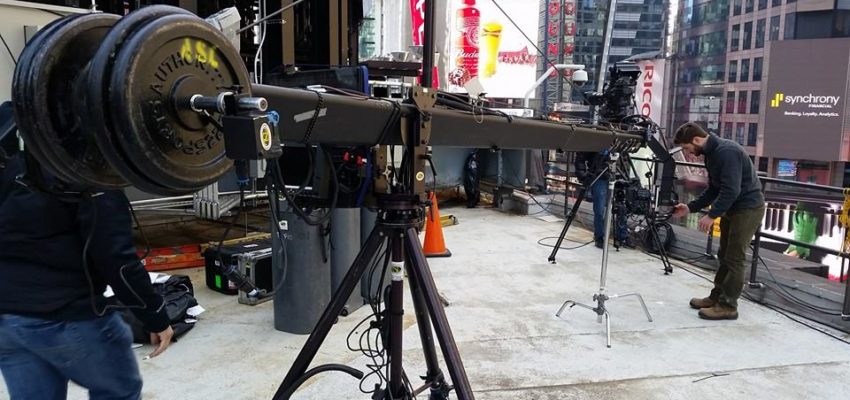
Capture your vision from new heights with a professional camera jib operator! When it comes to creating visually stunning and dynamic shots, the expertise of a skilled camera jib operator can make all the difference. From sweeping crane-like movements to smooth and precise tracking shots, a camera jib offers unparalleled versatility and creative possibilities. In this list, we will explore the top reasons why hiring a professional camera jib operator is essential for bringing your film, television, or event production to the next level. Get ready to elevate your visuals and immerse your audience in a captivating visual experience like never before!
Reasons for Hiring a Professional Jib Operator
Expertise and Skill: Professional jib operators have specialized training and experience in operating jibs and camera cranes. They understand the intricacies of the equipment and know how to achieve smooth, precise camera movements, which can significantly enhance the overall production quality.
Safety: Jib operations involve heavy and sometimes complex equipment, which can be potentially dangerous if mishandled. A professional jib operator is well-versed in safety protocols, minimizing the risk of accidents and ensuring the safety of the crew, talent, and equipment.
Consistency: A professional jib operator can consistently deliver the desired camera movements, ensuring that every shot meets the director’s vision and maintains visual continuity throughout the production. This level of consistency can be challenging to achieve with inexperienced operators.
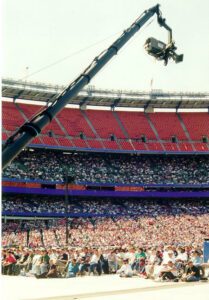
Creativity and Artistry: Jib operators have a keen eye for capturing dynamic and visually engaging shots. Their ability to frame scenes creatively and make subtle adjustments in real-time can add an artistic touch to the production, elevating the overall storytelling.
Time Efficiency: An experienced jib operator can set up and operate the jib efficiently, saving time during production. This efficiency is crucial in fast-paced environments like live events or time-sensitive shoots.
Adaptability: Jib operators can adjust their techniques and camera movements to suit different shooting scenarios, whether it’s a dramatic film, a live event, a music video, or a commercial. Their versatility allows them to adapt to various production requirements seamlessly.
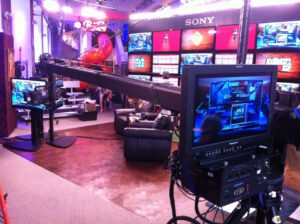
Collaborative Skills: Jib operators are part of a larger production team and understand the importance of collaboration. They can communicate effectively with directors, cinematographers, and other crew members to ensure they achieve the intended shots.
Professional Equipment Handling: Jib operators are familiar with the specific equipment used in jib operations and know how to maintain and handle it properly. This can prevent unnecessary wear and tear on expensive gear and minimize the risk of equipment malfunctions during a shoot.
Problem Solving: On-set challenges and unexpected situations are common in the world of production. Professional jib operators are skilled problem solvers, quickly adapting to changing circumstances to keep the production running smoothly.
Overall, hiring a professional jib operator can significantly enhance the visual quality of a production, increase efficiency, and contribute to a safer working environment on set. Their expertise, creativity, and ability to collaborate effectively make them valuable assets to any studio or production team.

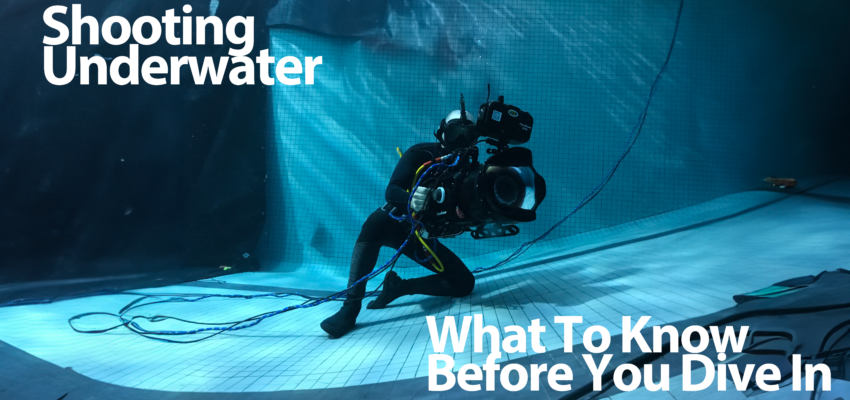
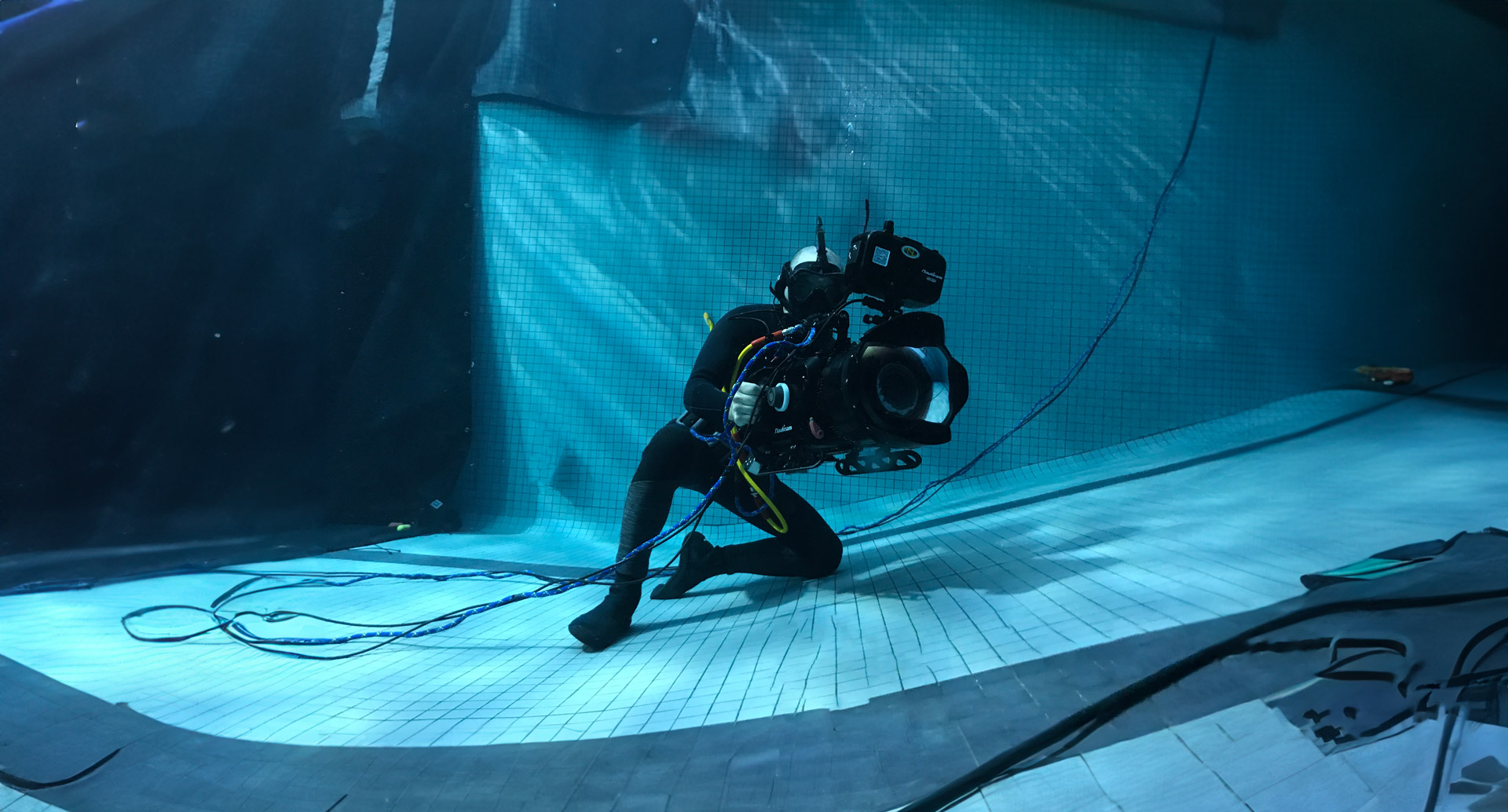
Beneath the shimmering surface lies a filmmaker’s enigma: the underwater environment. Say goodbye to the ordinary rules of underwater shooting. From orchestrating complex shots ahead of time to communicating in entirely new ways, explore the challenges faced by underwater filmmakers and how they use their expertise to guide productions to success.
With 30 years of experience shooting in all types of environments, from oceans in Alaska to pools in NYC, Air Sea Land is the largest rental house for Professional Underwater camera gear and Jimmy Jib rentals in the North East, US.
This post explores the common challenges encountered in underwater shooting and provides practical solutions to ensure successful productions.
There has been a growing popularity and demand for underwater shooting in the industry at large. More and more productions are shooting scenes underwater in order to bring their stories to life and enhance the experience for their audiences.
Whether you are thinking about including an underwater scene in your production or you’re familiar with the process, understanding the challenges involved in this specialized form of filmmaking and having an expert on set are paramount.
Most filmmaking happens on land. There is a common misconception that the same rules apply when shooting underwater. With new environments comes new rules. This change of environment impacts everything:
Pacing and Shot List
The pace of a normal set simply isn’t the same as an underwater set. Since most members of the cast and crew are working in an entirely different element than they are used to, normal tasks take longer. While it is common for on-land productions to have long shot lists, it is important to remember that time slows down underwater, as do movements.
Communication
On a normal set, the Director and Assistant Director can call out phrases such as “roll sound,” “roll camera,” “action,” “cut,” “reset” and the cast and crew can react immediately.
The sound department cuts audio
The Director of Photography stops shooting
The talent stop what they are doing and saying
Everyone can reset back to one
If your camera operator and talent are underwater, the phrases above do not garner such immediate response. If the director has notes, there is a delay here as well.
Buoyancy
Buoyancy is an added challenge to underwater productions. A person in water will naturally float to the top. This makes talent’s job more difficult if the director wants them to perform specific actions, especially if they are inexperienced in underwater shooting. The underwater camera operator must control their own buoyancy and the buoyancy of the camera itself.
Lighting
Underwater shooting can either take place in open water or a pool. It is very rare to have a large light in open water — instead, dive lights or flash lights are used. Lighting can become tricky if production needs the scene to look like it takes place in open water but the shooting location is a pool.
Visibility
Visibility is dependent upon the shoot’s environment. In a pool, there are little to no issues. With open water, visibility can vary due to elements like the date, time, location, and weather. Prior to an open water shoot, it is important to:
select a proper location
select an ideal day
know the visibility ahead of time
test the water to ensure it meets safety requirements
Equipment
Standard camera equipment is not waterproof. Proper underwater equipment is required for underwater shooting to avoid damaging the technology utilized on set.
While underwater filmmaking can have its challenges, there are practical solutions and best practices to implement to ensure success on set:
Pacing and Shot List
Thinking ahead and planning is necessary for productions to succeed. Since time slows down underwater, the shot list must be reduced down to prioritize the most important shots for the story. Shots then need to be organized in an order that is efficient.
Communication
Using an Underwater PA System helps maintain communication between the underwater camera operator and the crew above water. The camera operator can also use hand signals to communicate with the camera technician above water. This allows the technician to quickly translate the state of the underwater environment to the rest of the crew.
Buoyancy
Controlling buoyancy is important in underwater shooting. Talent can hide lead shot bags in their pockets to help them sink or stay neutral. The camera operator wears a weighted belt to sink and uses a Buoyancy Control Device (BCD) to rise to the surface.
Lighting
If production needs the scene to look like it takes place in open water but the shoot’s location is a pool, blacking out the pool is a solution. In order to achieve an empty abyss effect, specially designed underwater blacks are placed over the walls and floor of the pool.
If underwater blacks are used, the pool filters must be turned off in those specific areas. Otherwise, they can get sucked into the jets and the pool filter will burn out. Blacking out the pool takes time and should be taken into account in the production schedule.
When shooting underwater, it’s important to note that everything is tinted blue. You can overcome this by placing red filters in front of the lens, changing the white balance, and color correction in post production.
Equipment
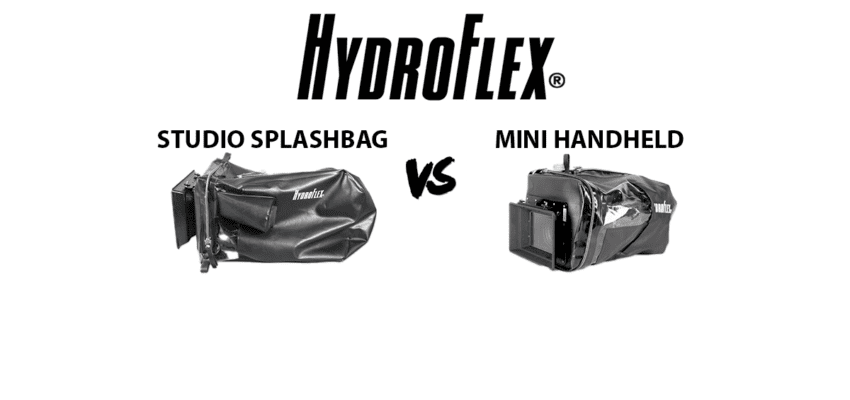
The use of Underwater Housings or Splash Bags is necessary to keep the camera dry underwater. If the camera needs maintenance, such as a battery change or new lens, the camera technician handles these changes above water. Since the camera technician makes sure the camera equipment is working up to standards, it is ideal for them to stay dry on set.
Takeaways
Understanding the distinct rules and adjustments needed for shooting in an underwater environment is essential for successful productions. Effectively managing the challenges above leads to remarkable visual experiences and unforgettable cinematic moments.
If you’re embarking on an underwater film project and are seeking professional assistance to tackle the unique challenges that come with it, Air Sea Land can help. Our expertise and specialized equipment can help you overcome the hurdles of underwater filming and ensure the success of your production.
Whether you need guidance in shot planning, communication solutions, buoyancy control, lighting techniques, or equipment recommendations, our team is here to support you every step of the way. Don’t hesitate to reach out to us for professional services or further assistance.
Let’s dive in together and bring your vision to life!
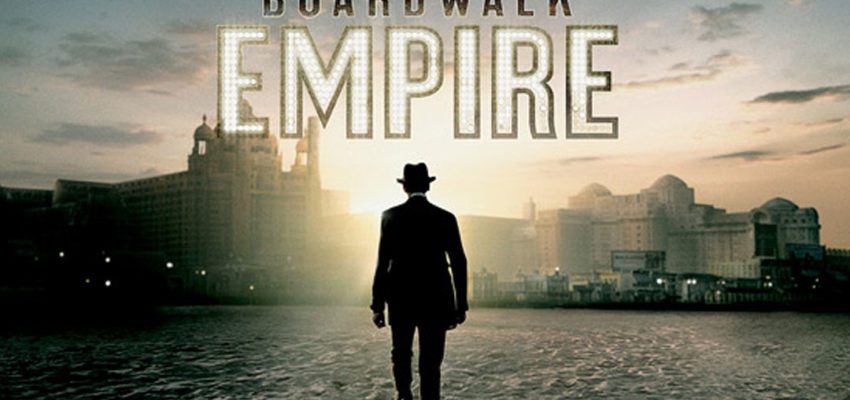
For “Boardwalk Empire,” Anthony and the ASL crew were hired to film at Sea Bright Beach with a 24ft jib arm, RED One camera and the T-bag which protected the camera while on the jib since they were shooting by the water.
The T-bag was also used for shooting a sequence of bottles floating by in the water and also crashing into pilings.
Check out the article written by ASL’s own Nick Lindner regarding the shoot:
CREW:
Jib Operator & Underwater Camera Op – Anthony S. Lenzo
Underwater Camera Assist – Nick Lindner
EQUIPMENT
T-bag Housing for use with a RED One camera on a jib
24ft jimmy jib arm
Digital Cine Kit (Microforce Zoom & Bartech Focus)
This unique commercial emphasizes the core truth of Bryn Mawr Rehab Hospital – that they understand the challenges of the journey of recovering from a stroke or brain injury better than anyone and that they work relentlessly towards recovery with their patients.
This message was told in a highly effective way capturing an underwater actress sinking in a pool and then slowly fighting/rising to the top as she recovers from her traumatic injury.
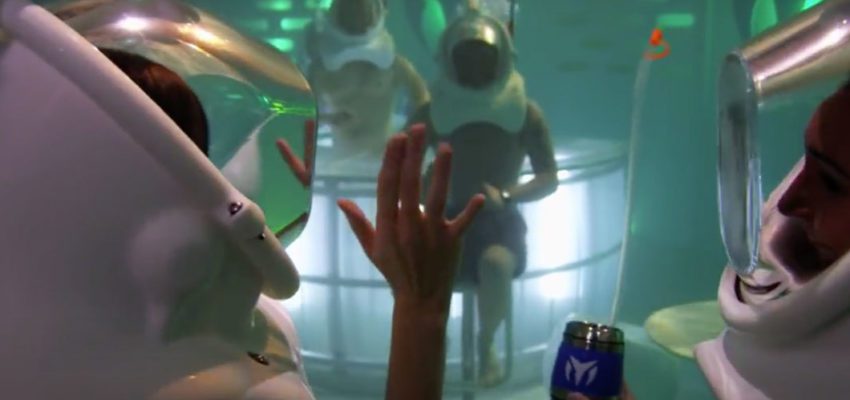
TechnoMarine imagines a nightclub underwater. A cool & fun way to connect in a hot city.
Thanks to the creative minds at Thinkmodo for envisioning this spot and for turning to who else but Anthony S. Lenzo, underwater cinematographer, to help make it all happen.
Check out this viral video shot with ASL’s Gates Deep Epic housing and an Epic camera at a pool in Groton, CT.
CREW:
DP – Anthony S. Lenzo
Producer – James Percelay (Thinkmodo)
AC – Zach Spira Bauer
Gaffer – Shawn Sullivan
PRODUCTION NOTES:
The Underwater Nightclub was created by Thinkmodo for TechnoMarine.
The video was filmed inside a pool at Survival Systems in Groton, CT.
The bar and the set were custom built by Mystic Scenic Studios and the set was put together underwater by divers.
The custom diving helmets were provided by Sea Trek.
The video was shot on a RED Epic with the Gates DEEP Epic Housing by Air Sea Land Productions.